
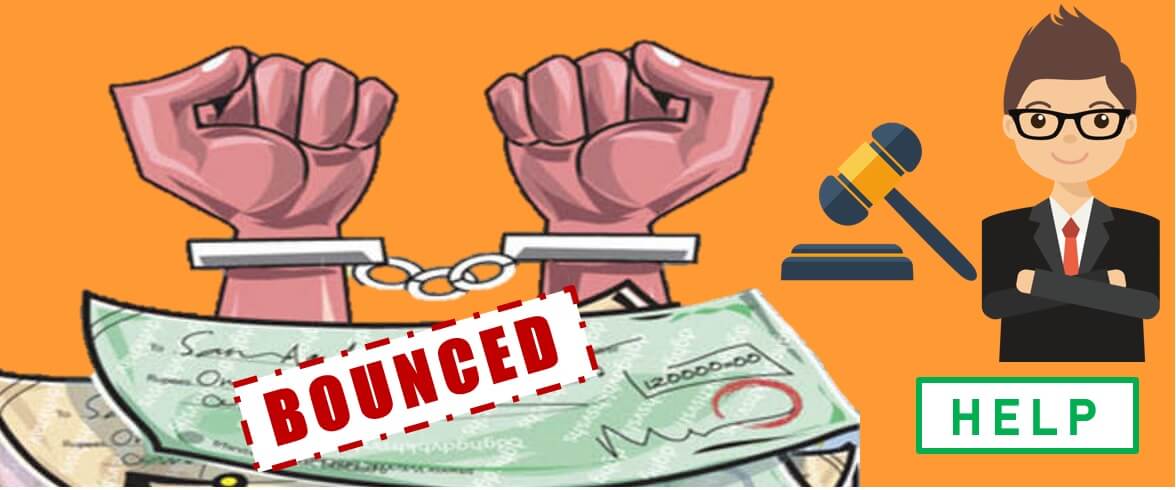
Section 138 of the Negotiable Instruments Act addresses the offense of cheque dishonor due to insufficient funds or when the amount exceeds the arrangement in the drawer’s account. Below is an overview of the key elements, penalties, and procedures involved in cheque bounce cases:
Conditions for Filing a Complaint:
To file a complaint under Section 138, the following conditions must be fulfilled:
- Presentation of Cheque:
The cheque must be presented to the bank within six months from the date on the cheque or within its validity period. - Notice of Demand:
If the cheque is dishonored, the payee or holder must issue a written notice demanding payment within 30 days of receiving the dishonored cheque. - Failure to Pay:
If the drawer of the cheque fails to make the payment within 15 days of receiving the notice, a complaint can be filed.
Penalties:
If found guilty, the drawer may face:
- Imprisonment for up to two years, and/or
- A fine that can extend to twice the amount of the cheque.
Compounding:
In many cases, the parties involved can settle the matter by reaching a compromise and compounding the offense, with the court’s permission.
Jurisdiction:
Cheque bounce cases are generally tried in magistrate courts. The case must be filed where the bank is situated or where the cheque was presented.
Multiple Cheques:
For multiple dishonored cheques, the complainant can file separate complaints for each dishonored cheque.
Legal Recourse:
If you are the payee or holder of a dishonored cheque, you can file a complaint under Section 138 of the Negotiable Instruments Act. It’s recommended to consult a qualified lawyer for legal representation and guidance.
Cheque bounce cases can be complex, requiring strict adherence to legal procedures. Seeking up-to-date legal advice is essential to ensure successful prosecution.